 Custom parts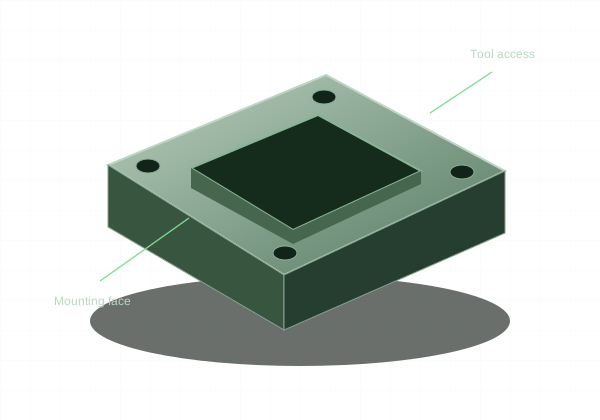
Define the use and environment. A part that fits visually still needs a separate evaluation of heat, vibration, and load.
Part and process opportunities
Shop fixtures, interior prototypes, cosmetic covers, and noncritical mounting details are practical custom-part directions. CNC, laser, and printing offer different ways to test or manufacture these shapes. Example applications do not imply OEM approval or a vehicle-system certification.
Design the interface
Use the actual mating geometry and fastener specification. Allow clearance for assembly and service tools. Underhood heat, fluids, UV exposure, and vibration can invalidate a material selected only for appearance. PLA is a poor default for a hot vehicle interior.
Plan for the real use
Safety-critical systems need an engineered design and appropriate validation; reproducing a shape alone is insufficient. Keep functional requirements, material grade, and revision under control. Use representative prototypes to check installation before committing to production quantities.
Prepare a clear manufacturing package
Use a model that represents the intended part, a matching drawing for functional requirements, and a defined material and quantity. Choose the online process for supported configurations. Larger batches, unlisted materials, and special requirements follow custom RFQ. Industry examples describe possible uses; they are not evidence of certification or a past customer relationship.