 Custom parts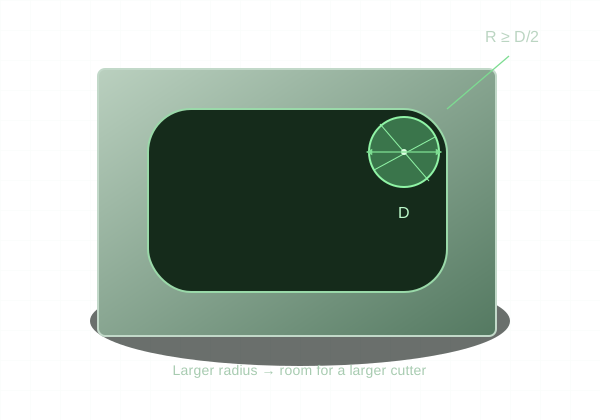
A larger inside radius usually permits a larger, more rigid cutter. Small radii become especially expensive in deep pockets.
The tool creates a radius
An end mill is round, so the internal corner it cuts cannot be sharper than the tool’s radius. A 1/2 inch diameter cutter has a 1/4 inch radius. That simple geometry does not establish the best finishing tool or guarantee a specific minimum radius on every part.
Avoid matching the cutter exactly when possible
A pocket radius slightly larger than the planned cutter radius can allow a smoother toolpath through the corner. It reduces the abrupt engagement associated with filling the corner using a same-radius tool. The practical allowance depends on the toolpath and finish requirements.
Square mating parts can still fit
A square component does not always require a square milled pocket. Oversize the pocket where clearance allows, chamfer the mating component, or add corner reliefs outside the functional contact area. A dog-bone style relief changes local geometry and should be deliberately included in the model.
Depth changes the answer
A tiny corner radius in a shallow recess is different from the same radius at the bottom of a deep cavity. Smaller tools have less rigidity and limited reach. If a deep pocket only needs a small detail near the top, split the geometry so the entire depth does not force that tool size.