 Custom parts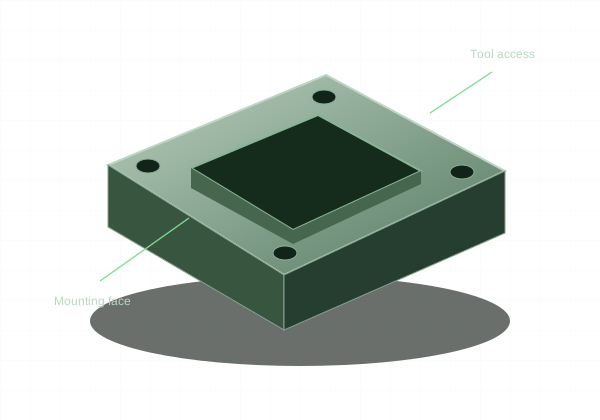
CNC is a manufacturing method. A successful part still depends on suitable geometry, material, tolerances, and process planning.
From model to toolpath
A CAD model describes the finished geometry. CAM software helps create cutting paths, which are translated into instructions for a machine control. The physical setup locates and holds the stock. Tools then remove material in roughing and finishing operations.
Milling and turning
In milling, a rotating cutter produces features such as pockets and hole patterns. In turning, the workpiece rotates to generate diameters and profiles about an axis. Some parts combine these operations. The right route follows the part’s geometry rather than a preference for a particular machine.
Why choose it
Machining can use solid metals and engineering plastics and create useful fits, threads, and mating surfaces. It is a strong option when the material properties and dimensional relationships matter. Material removal and setup effort can make it less economical than printing for some early concept models.
What CNC cannot decide for you
Machine control does not establish the part’s load rating or choose the correct material. Hidden cavities, tiny deep corners, and inaccessible features can still be unmachinable. A clear model and drawing connect the design intent to a practical manufacturing plan.